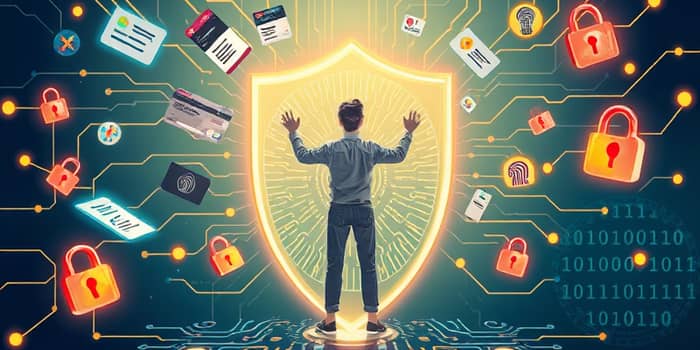
Identity theft has become one of the most insidious threats of our digital age, striking without warning and leaving victims grappling with financial ruin and emotional stress. In this guide, you will find practical steps to secure your data and regain control over your financial life.
Imagine waking up to discover that a fraudulent loan was taken out in your name, or that your credit score has plummeted because someone ran up charges on your credit card. These nightmares are all too real, yet they can be prevented.
Understanding Identity Theft Risks
At its core, identity theft is the unauthorized use of someone’s personal information—such as a Social Security number, bank account details, or credit card data—to commit fraud. When cybercriminals get hold of these details, they can apply for loans, open new accounts, and even receive government benefits in your name.
The consequences span unauthorized accounts and financial loss to long-term credit damage that can take years to repair. Prescreened credit and insurance offers, intercepted in the mail, represent an easy gateway for thieves to exploit your identity further.
Everyday habits like leaving mail in an unsecured box or entering PINs openly on your phone increase your vulnerability. Recognizing these risks is the first step toward building an effective defense.
Physical Security for Your Documents and Devices
Protecting your identity begins with controlling the physical access to your sensitive papers and gadgets. Make it a habit to store all financial statements, checks, IDs, and credit cards in a locked drawer or safe at home.
Documents left lying around—bills, receipts, and old offers—can be a treasure trove for identity thieves. By eliminating these risks, you preserve peace of mind in your own home.
- Store financial documents in a locked location away from prying eyes.
- Shred expired cards, old statements, and unsolicited credit offers before discarding.
- Before recycling or donating devices, wipe them completely to remove personal data.
- Whenever you enter a PIN in public, cover the keypad to shield it from hidden cameras or prying onlookers.
Additionally, secure laptops and smartphones with strong passwords or biometrics and enable remote-wipe features so you can erase all data if your device is lost or stolen.
Mastering Digital Passwords and Authentication
A weak or reused password is akin to leaving your front door unlocked. To fortify your online identity, choose strong, unique passwords for every account, especially those tied to your finances.
- Create passwords of at least eight characters, mixing uppercase, lowercase, numbers, and symbols.
- Avoid using personal details like birthdays or pet names that can be guessed or found online.
- Never reuse the same password across multiple accounts; if one site is breached, others remain secure.
- Use a reputable password manager to generate and store complex passwords safely.
Enable multi-factor authentication (MFA) wherever possible. By requiring a second verification step—such as a code sent to your phone or generated by an app—you add an extra barrier that significantly reduces the chance of unauthorized access.
Secure Online Practices and Device Hygiene
Your digital environment can be as vulnerable as a physical one. Install reputable antivirus, anti-spyware, and firewall software, and set them to update automatically. This ensures you are always protected against the newest threats without lifting a finger.
When connected to public Wi-Fi, avoid logging into bank accounts or making purchases. If you must use Wi-Fi away from home, employ a virtual private network (VPN) to encrypt your traffic and shield it from eavesdroppers.
Regularly review your device’s login history and browser autofill settings. Never store passwords directly in your browser, and clear your cache and cookies periodically to remove sensitive data footprints.
Data Encryption: Shielding Your Information
Encryption acts like an unbreakable code, ensuring that even if data falls into the wrong hands, it remains unreadable without the correct key. For comprehensive protection, embrace the industry-standard AES-256 encryption for both stored files and data in transit.
Regularly rotate encryption keys and ensure that all backups—whether local or cloud-based—are also encrypted. This practice provides an extra layer of defense in case of data breaches.
Staying Vigilant Against Scams
Scammers continuously refine their tactics, from expertly forged emails to convincing phone calls. Always verify the identity of anyone requesting your personal data. Legitimate institutions will never demand your full Social Security number or passwords via unsolicited contact.
Limit the personal details you share on social media. Challenge questions that ask for public information—like your mother’s maiden name or high school mascot—are easily researched and exploited.
Develop a healthy skepticism: if a link or attachment looks suspicious, don’t click it. Keep yourself educated about emerging scams through trusted consumer-protection sources.
Monitoring and Proactive Prevention
Proactive monitoring is your early warning system. Set up transaction alerts on your credit and debit cards so you receive instant notifications of any activity. Review bank and credit card statements at least weekly to spot unauthorized charges immediately.
- Freeze your credit reports for free at any time to block new account openings.
- Place fraud alerts with each credit bureau when you suspect misuse of your identity.
- Opt out of prescreened credit and insurance offers to reduce mail-based risks.
Obtain your free annual credit reports from Equifax, Experian, and TransUnion through AnnualCreditReport.com, and consider enrolling in a reputable credit monitoring service for continuous oversight.
Responding to Suspected Fraud
If you suspect identity theft, act swiftly. Lock or freeze your credit, change all related passwords, and notify your financial institutions of any questionable transactions. Reporting missing statements or cards without delay can prevent irrevocable damage.
Contact each major credit bureau to place alerts or freezes on your file. File a report with the Federal Trade Commission and, if necessary, local law enforcement. Document every step you take, including dates and reference numbers, to build a clear record for investigations.
Conclusion: Empower Yourself Today
Protecting your identity is a continuous journey that demands vigilance, best practices, and swift response when threats arise. By combining strong passwords with multi-factor authentication, locking down your physical documents, and staying alert to scams, you can fortify your defenses against even the most determined criminals.
Your peace of mind is priceless. Take control of your financial security now: freeze your credit, shred unnecessary documents, and commit to weekly account reviews. With these steps, you are not just reacting—you are taking charge of your future.
References
- https://www.bannerbank.com/financial-resources/blog/ten-steps-to-safeguard-identity
- https://hitrustalliance.net/blog/financial-cybersecurity-best-practices
- https://www.mapscu.com/blogs/practical-tips-for-protecting-your-financial-data/
- https://www.sharefile.com/resource/blogs/finance-data-security-guide
- https://www.finra.org/investors/protect-your-money/safeguard-your-identity/identity-theft-prevention-checklist
- https://www.earned.com/learn/articles/8-steps-to-better-protect-your-financial-information
- https://ufcu.org/resources/articles/detail/articles/2026/01/08/six-ways-to-keep-your-finances-secure
- https://www.caccu.org/safety-and-security-protecting-your-financial-information-in-the-digital-age/
- https://irt.rowan.edu/about/news/2024/10/protect-financial-data-tips.html
- https://www.ameriprise.com/financial-goals-priorities/personal-finance/protect-personal-financial-information
- https://www.voicewealth.com/blog/protect-financial-data-online
- https://www.vintagefinancialgroup.com/blog/safeguarding-your-identity-essential-tips-for-financial-security
- https://www.finextra.com/blogposting/27116/the-dos-and-donts-of-handling-important-financial-data
- https://consumer.ftc.gov/media/71307