
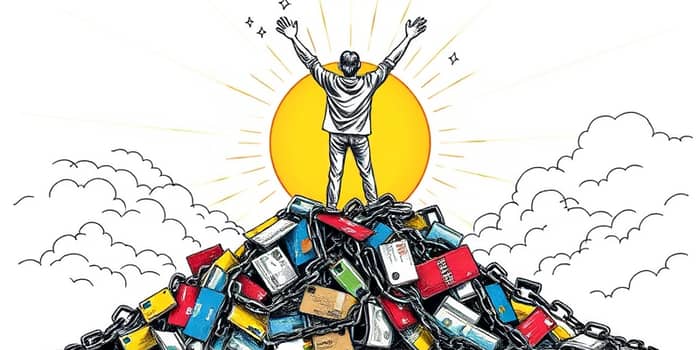
Debt can feel overwhelming when multiple balances, high interest rates, and varied due dates create constant stress. Debt consolidation offers an effective path to regain control by combining credit cards, personal loans, and other obligations into one manageable payment. By replacing scattered balances with a single structured solution, you can refocus on making progress and achieving long-term financial stability.
At its core, debt consolidation replaces existing high-rate debts—often averaging around 20.74% APR on credit cards—with a new loan or credit line that carries a lower, fixed interest rate. When executed properly, this strategy streamlines your finances without increasing the total amount owed initially, setting you up for lasting relief.
Why Choose Debt Consolidation?
Many borrowers turn to consolidation because it offers significantly lower interest rates compared to the typical 18–29% charged by credit cards. This simple adjustment can translate into substantial savings over time and accelerate your journey toward becoming debt-free.
Beyond cost savings, consolidation allows for one simple monthly payment instead of juggling multiple due dates and varying minimums. Simplifying this process reduces the risk of missed payments, which can harm your credit score and lead to additional fees.
With fixed payments and a clear payoff date, you benefit from clear payoff timeline and schedule. Knowing exactly when you will be debt-free creates accountability and keeps you motivated to stay the course until your final installment is made.
Beyond the numbers, consolidators often report reduced anxiety as they no longer juggle multiple due dates. In fact, studies show that individuals who consolidate experience fewer serious delinquencies and more consistent on-time payments, laying the groundwork for stronger credit profiles. Ultimately, this approach can help you boost your credit score by improving your utilization and payment history over time.
According to recent TransUnion data, 68% of those who consolidate see their scores improve by at least 20 points within three months, with gains persisting long-term. A healthier score opens doors to more favorable loan terms, saving you money on future borrowing.
- Lower overall interest costs
- Easier budgeting and forecasting
- Potential credit score improvement
Exploring Consolidation Options
Choosing the right method depends on your credit profile, debt-to-income ratio, and long-term goals. Below is a comparison of common options to help you decide which path aligns with your needs.
Personal loans typically carry APRs from 6% to 15%, depending on creditworthiness. Shopping around for the best rates can yield offers that substantially undercut the 20%–29% you may be paying on credit cards.
Balance transfer cards often feature an introductory 0% APR for a limited time—commonly 12 to 21 months—enabling interest-free transfers. Be mindful of balance transfer fees, which range from 3% to 5% of the transferred balance, and ensure you can pay off the balance before the promotional period ends.
Debt management plans, offered through nonprofit credit counseling agencies, negotiate with creditors on your behalf to secure lower interest rates and waived fees. While DMPs involve a monthly service fee, they provide a structured one-payment solution and often help you close damaging accounts responsibly.
For those with home equity, tapping into a HELOC or home equity loan can unlock rates as low as 4%–6%, but it is essential to consider the risk of using your home as collateral.
Maximizing Savings with Smart Strategies
Consolidation alone can transform your debt picture, but pairing it with proven repayment techniques can supercharge results. Two popular approaches are the avalanche and snowball methods.
The avalanche method focuses on paying extra toward the highest-interest balances first while maintaining minimums on others. When your APR drops from 20% to around 11.48%, you save over $1,300 in the first year on a $15,000 balance, accelerating progress on all accounts.
Conversely, the snowball method targets the smallest balances first to build momentum through quick wins. Celebrating early victories can fuel motivation and help you maintain momentum until the final debt is cleared.
Consider this scenario: A $15,000 balance at a national average rate of 27.9% repaid over 60 months would cost nearly $28,000, but consolidating to a 10% APR can reduce the total interest paid by more than $8,000. Pairing consolidation with the right repayment strategy can make your financial goals a reality faster.
Common Pitfalls and How to Avoid Them
While debt consolidation offers clear benefits, it is not without risks. Being mindful of potential traps can keep you on a secure path.
- A temporary credit score dip from new inquiries and account openings
- Higher rates possible if you have lower than excellent credit history
- Balance transfer fees of 3–5% that must be factored into your savings
- Temptation to rack up new charges on lines you have paid off
Always shop around to compare interest rates and fees before choosing a lender or card, and commit to disciplined spending habits to prevent new balances from accumulating on cleared accounts.
Another common mistake is not reading the fine print on introductory offers. Failing to pay off a balance transfer before the 0% period ends can trigger retroactive interest that negates initial savings.
Additionally, repurposing credit cards that you have paid off can lead to temptation and new balances. Commit to a zero-based budget that allocates every dollar to a specific purpose, whether it is paying debt, saving, or living expenses.
Step-by-Step Guide to Getting Started
Ready to embark on a consolidation journey? Follow these steps to set yourself up for success:
- Assess all outstanding debts and calculate your total balance.
- Request personalized rate quotes from multiple lenders or credit card issuers.
- Choose the consolidation product that best fits your payoff timeline and budget.
- Create or adjust a monthly budget to accommodate your new payment.
- Make on-time payments in full each month to protect your credit score.
- Pair your plan with either the avalanche or snowball method for faster payoff.
Long-Term Impact and Maintaining Momentum
Debt consolidation can jumpstart your journey to financial freedom, but lasting success depends on adopting sustainable habits. As balances decrease, consider redirecting your freed-up cash toward savings, an emergency fund, or investments to build a stronger financial foundation.
Maintaining momentum after consolidation means celebrating milestones wisely. Each time you hit a 25%, 50%, or 75% payoff threshold, consider redirecting the equivalent payment amount toward an emergency fund or retirement account. This habit not only cements your payoff success but also builds resilience against future financial setbacks.
Beyond tangible figures, consolidating your debts offers peace of mind and financial clarity. Reducing stress, improving credit performance, and achieving defined goals all contribute to a healthier relationship with money.
In a world where average credit card APRs hover above 20%, taking decisive action today can lead you to a debt-free tomorrow. By merging multiple obligations into single, structured payments and applying smart repayment methods, you empower yourself to reach your dreams sooner.
References
- https://www.myfsbonline.com/education/financial-wellness/consolidate-debt
- https://harvardfcu.org/blog/gift-yourself-financial-peace-how-be-debt-free-in-2026/
- https://newsroom.transunion.com/debt-consolidation-often-results-in-higher-credit-scores-and-better-credit-performance/
- https://www.experian.com/blogs/ask-experian/steps-to-get-out-of-debt/
- https://www.penncommunitybank.com/blog/from-stress-to-success-the-benefits-of-debt-consolidation/
- https://www.debt.org/consolidation/
- https://www.myfico.com/credit-education/credit-scores/does-debt-consolidation-hurt-your-credit
- https://www.primewayfcu.com/blog/debt-consolidation-strategies
- https://www.ctamemberbenefits.org/en/Retirement/Personal-Finances---Benefits-of-Consolidating-Debt
- https://www.cbsnews.com/news/what-are-the-best-ways-to-consolidate-credit-card-debt-march-2026/
- https://www.youtube.com/watch?v=cHDdgWjJVnM
- https://useorigin.com/resources/blog/how-do-i-consolidate-credit-card-debt-in-2026
- https://www.usbank.com/financialiq/manage-your-household/manage-debt/Consolidating-debts-Pros-cons-keep-in-mind.html
- https://www.corefirstbank.com/blog/learning-center/2026/01/09/pay-down-your-debts-in-2026
- https://www.jdcu.org/blog/the-benefits-of-debt-consolidation/